

The dining experience is a complex interplay of culinary skill, service quality, and the physical environment. While cuisine is central, the design and furnishing of the dining space play a critical role in shaping guest perceptions, comfort, and overall satisfaction. Within this physical setting, furniture – particularly pieces crafted from wood – holds significant influence due to its material properties, design potential, and functional impact. Understanding how bespoke wood furniture contributes can inform decisions for restaurant and cafe operators aiming to create specific atmospheres.
Materiality and Atmosphere
Wood, as a natural material, possesses inherent characteristics that affect ambiance. Different species exhibit unique colours, grain patterns, and textures.
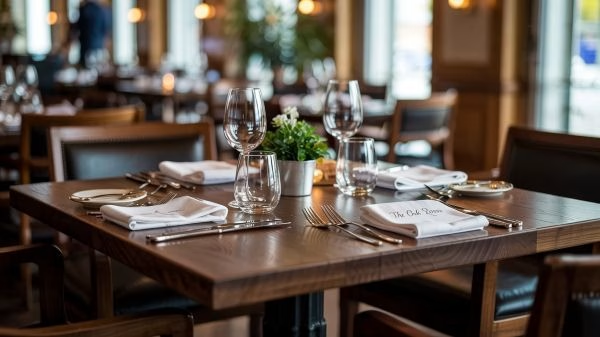
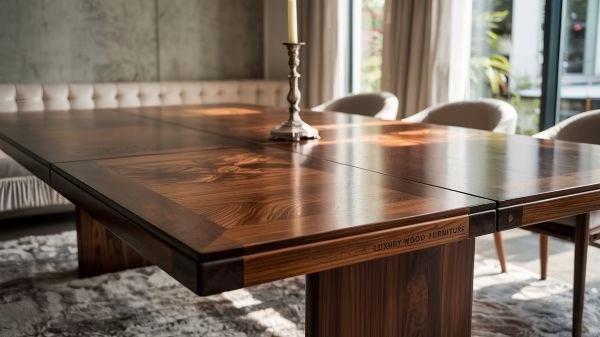
- Visual Impact: Darker woods like walnut or wenge tend to absorb light, potentially contributing to a more intimate or formal setting. Lighter woods such as ash, maple, or beech reflect more light, often creating a sense of openness or a brighter, more casual atmosphere. The distinctiveness of grain patterns (e.g., bold oak grain vs. finer maple grain) also adds a layer of visual texture.
- Tactile Qualities: The surface texture and finish of wood provide a tactile experience. Guests interact directly with tabletops and chair arms. A smooth, finely sanded finish conveys refinement, while a more textured or live-edge surface introduces a rustic or organic element.
Design Specification and Space
Beyond the material itself, the design of wood furniture significantly impacts the environment.
- Style Alignment: Furniture forms – the shapes of table legs, the silhouette of chairs, the presence or absence of ornamentation – directly contribute to the establishment’s design language, whether minimalist, traditional, industrial, or other styles. Consistency in these forms reinforces the intended aesthetic.
- Bespoke Solutions: “Bespoke” implies furniture designed and built to specific requirements, rather than standard, mass-produced sizes. This allows for:
- Spatial Optimization: Tables, booths, and host stations can be dimensioned precisely to fit irregular room layouts, maximize seating capacity without overcrowding, or integrate seamlessly with architectural features.
- Functional Integration: Specific operational needs, like integrated power outlets in communal tables or specific storage in service stations, can be addressed directly through custom design.
- Unique Identity: Custom pieces allow for unique design features or proportions that distinguish the establishment visually.
Functionality, Comfort, and Acoustics
The functional aspects of furniture design directly affect guest experience.
- Ergonomics: Chair height relative to table height, seat depth, back support angles, and the presence of armrests all influence physical comfort during a meal. Properly considered ergonomics can enhance diner comfort over longer periods.
- Durability and Maintenance: In commercial settings, furniture must withstand heavy use and frequent cleaning. Solid wood construction, appropriate joinery techniques (like mortise and tenon), and durable, commercial-grade finishes are critical factors for longevity and maintaining appearance. Material choice also plays a role; denser hardwoods are generally more resistant to dents and scratches than softer woods.
- Acoustic Properties: Wood, particularly in larger surface areas like tabletops or wall paneling (which often coordinates with furniture), can have different sound-reflecting or absorbing properties compared to materials like glass, metal, or stone, potentially influencing the overall sound profile of a busy dining room.
Conclusion
The selection and design of furniture, especially pieces crafted from wood, are not merely decorative choices in a dining establishment. Material characteristics, design styles, functional ergonomics, spatial planning enabled by customization, and considerations of durability all converge to significantly influence the atmosphere, guest comfort, perception of quality, and operational efficiency. These elements contribute substantially to the overall dining experience perceived by the patron.
For establishments seeking tailored furniture pieces designed with these considerations in mind, specialist manufacturers such as Artos Wood focus on producing custom wood furniture for the hospitality industry.